Extensive Construction Services for Every Project
Comprehensive building support are necessary for the successful management of any construction initiative. They facilitate seamless integration across all phases, guaranteeing effective dialogue and teamwork among teams. This strategy not only reduces delays but also strengthens compliance with budgets and timelines. As stakeholders pursue superior results, comprehending the different solutions available becomes increasingly important. What specific elements support a project's success, and how can they be successfully executed?
Why Complete Building Solutions Are Important
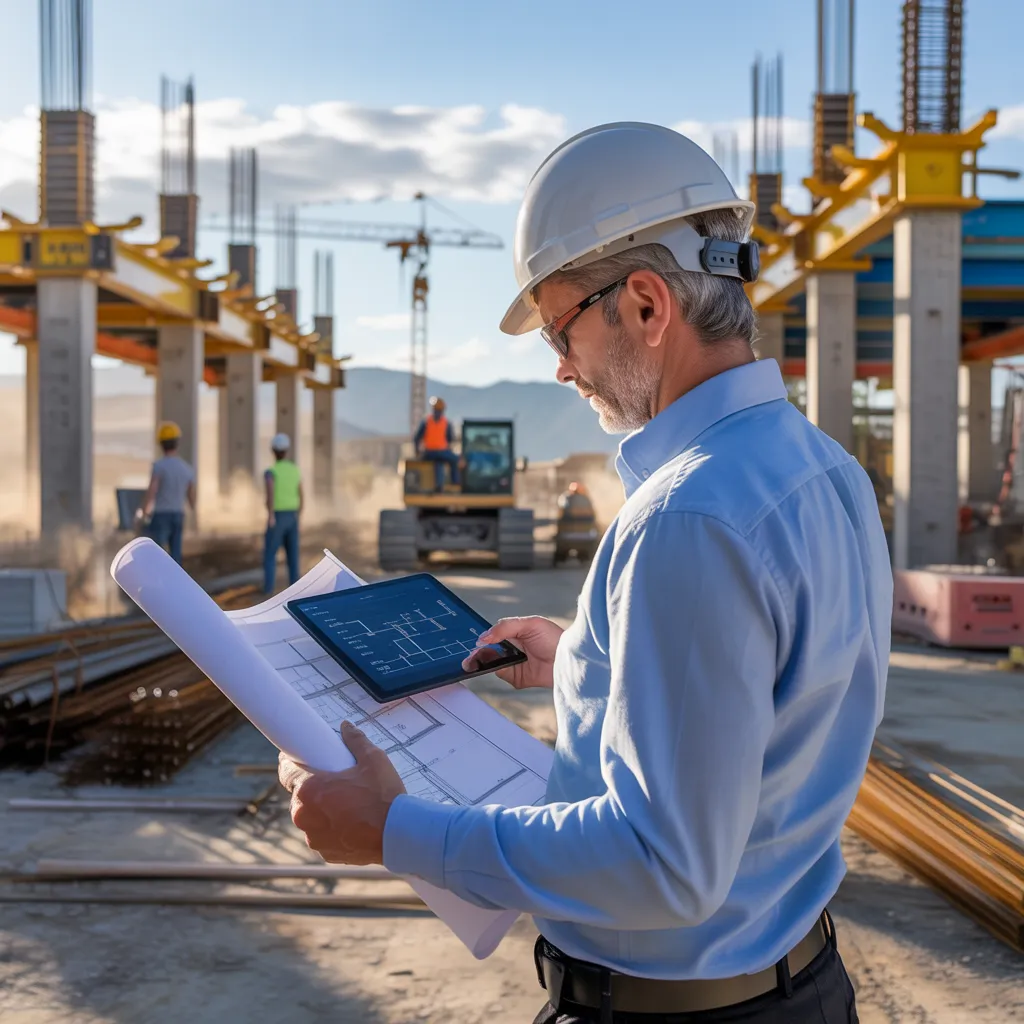
Complete construction services are essential because they refine the construction workflow, confirming that all project phases are integrated effectively. These offerings cover a spectrum of operations, involving preparation, design, and execution, which advance the overall success of your project. By orchestrating various teams and resources, extensive construction services minimize the likelihood of misunderstandings and delays.
Additionally, they strengthen commitment to timelines and budgets, mitigating potential issues before they occur. This amount of planning promotes a unified environment, enabling stakeholders to share information openly and efficiently.
Additionally, extensive services guarantee adherence with local regulations and safety standards, reducing risks associated with construction activities. Overall, the integration of detailed construction services improves project quality, resulting in durable and sustainable outcomes. In an industry where precision matters, such services deliver the necessary framework for achieving client satisfaction and meeting project goals.
Fundamental Building Offerings for Residents
Homeowners looking to enhance their living spaces can benefit greatly from essential construction services customized for their individual needs. These services cover a range of offerings, such as remodeling, renovations, and repairs, which allow homeowners to transform outdated areas into up-to-date, efficient spaces. Kitchen and bathroom remodels often yield substantial investment returns, improving both aesthetics and utility.
In addition, outside maintenance such as siding and roofing repairs ensure the property remains safe and appealing to the eye. Landscaping and outdoor enhancements produce inviting spaces for relaxation and social activities.
Homeowners can benefit from eco-friendly improvements, which cut utility costs while supporting sustainability. By partnering with qualified experts, homeowners can work through the complexities of construction projects with ease, securing adherence to local regulations and timelines. Overall, these vital offerings empower homeowners to accomplish their visions, ultimately enhancing property value and quality of life.
Essential Solutions for Commercial Construction
Within the realm of commercial construction, competent project coordination and superior material procurement serve as essential components. These solutions guarantee that projects are finished on time and within budget while maintaining high standards. Recognizing their significance can result in more effective construction outcomes.
Project Coordination Mastery
During the navigation of commercial construction challenges, competent project management experience becomes necessary to confirm on-time completion and fiscal responsibility. Experienced project leaders serve a key function in supervising different aspects of a construction project, including time planning, workforce and materials organization, and information exchange with all parties involved. They deploy modern methodologies to address risks and respond flexibly to surprising difficulties, keeping projects moving forward. Through exploiting modern tools and analytical insights, project managers can strengthen decision-making processes, boosting productivity and output. Additionally, their skill to encourage cooperation among contractors, architects, and clients is important for synchronizing visions and reaching targets. In essence, superior project management expertise functions as the core of prosperous commercial construction endeavors, propelling projects from conception to completion with precision.
Quality Material Sourcing
Quality sourcing of materials constitutes a crucial dimension in the landscape of commercial construction, directly determining project durability and overall success. Efficient sourcing involves picking superior-grade materials that address specific project requirements while respecting budget constraints. This process often necessitates establishing strong bonds with trustworthy suppliers to guarantee timely arrival and consistency in quality. Moreover, familiarity with local regulations and sustainable practices proves essential in sourcing decisions. By stressing quality materials, construction organizations can enhance structural integrity and reduce long-term maintenance costs. All in all, emphasis on quality material sourcing not only supports a project's immediate goals but also boosts its longevity and resilience in a competitive market.
Determining the Greatest Construction Services for Your Project?
When evaluating construction services, it is essential to establish project specifications precisely to ensure compliance with goals. Assessing the expertise of potential service providers further improves the probability of a successful outcome. Careful consideration of such elements can result in a more streamlined and productive construction process.
Outline Project Requirements Distinctly
Articulating scope specifications in a clear manner is paramount for picking the most suitable construction services. This involves recognizing explicit project targets, timelines, budgets, and necessary materials. A well-defined statement of work helps confirm that every party understand mutual expectations. In addition, specifying details about regulatory requirements or site-specific conditions can avert potential delays and confusion in the construction phase. When establishing defined standards early in the process, project directors can relay their requirements to prospective vendors, facilitating more informed choices. In summary, comprehensive record-keeping of project requirements makes selection more efficient and also establishes the groundwork for successful project execution and minimizes the probability of costly revisions down the road.
Review Service Provider Capabilities
How can construction leaders guarantee they choose the most qualified building contractors? Evaluating the expertise of prospective service providers is essential. This procedure begins with examining each provider's portfolio, which showcases past projects and relevant experience. Construction leaders should also verify licenses, certifications, and insurance to confirm compliance with professional requirements. Collecting recommendations and customer feedback can provide insights into a provider's dependability and workmanship. Furthermore, conducting interviews allows construction leaders to assess communication skills and comprehension of assignment specifications. Comparing bids not only on price but also on scope, schedules, and quality can additionally aid in selection. Ultimately, a comprehensive evaluation of contractor qualifications establishes the groundwork for successful implementation and satisfaction.
Streamlining Your Construction Project Efficiently
To achieve productivity in construction projects, it is essential to implement a structured methodology that minimizes delays and maximizes resource allocation. Effective communication among team members is crucial, ensuring that everyone is aligned with project goals and timelines. Leveraging project management software can streamline workflows, allowing for instant information and task tracking.
Moreover, applying a incremental strategy permits teams to hone in on targeted project phases, lowering the chance of intersecting responsibilities that can cause confusion. Regular progress assessments and changes influenced by performance metrics facilitate discovering emerging obstacles sooner.
Establishing explicit roles and responsibilities fosters accountability, driving teams to meet deadlines without compromising quality. Furthermore, implementing preventative risk management prepares teams for unforeseen challenges, enabling swift responses that keep projects on track. By integrating these strategies, construction projects can achieve greater efficiency, reducing costs and enhancing overall outcomes.
Adopting sustainable practices in construction not only enhances work standards but also reduces ecological consequences. By incorporating sustainable materials and processes, builders can substantially decrease waste and energy consumption. This method not only adheres to regulatory requirements but also resonates with environmentally conscious clients.
Employing green materials, such as bamboo or recycled metals, advances durability while cutting carbon footprints. Additionally, deploying sustainable energy solutions, like solar panels and advanced insulation, provides prolonged cost advantages and improved building performance.
Partnering with green-certified practitioners further elevates quality metrics, ensuring conformance with green standards.
Moreover, implementing a waste control strategy during the construction phase can streamline processes, decreasing expenses and ecological damage.
In the end, a pledge toward eco-friendly initiatives in construction produces high-quality projects that engage both stakeholders and the community, building a legacy of accountable building practices. Such devotion not only boosts the reputation of construction firms but also aids a healthier planet.
Often Common Questions
What Are the Typical Schedules for Building Projects?
Standard timelines for building endeavors fluctuate considerably, generally ranging from a few months to several years. Factors influencing duration consist of project size, complexity, licensing requirements, atmospheric conditions, and resource availability, influencing overall completion time.
What Should I Do About Sudden Construction Delays?
To deal with unexpected construction delays, one should assess the situation, engage with relevant parties, modify schedules, and explore solutions. Flexibility and proactive planning can mitigate impacts and keep the project on track despite challenges.
What Clearances Are Essential for Building Projects?
Construction endeavors call for multiple licenses, involving building, power, water, and land use permits. The particular specifications are contingent on area ordinances, undertaking scale, and geographic area, requiring coordination with municipal officials for compliance and guidance.
How Does Project Budgeting Get Managed Throughout Construction Phases?
Project budgeting is controlled through continuous monitoring of expenses, updating forecasts based on genuine expenses, and maintaining communication among stakeholders. This guarantees synchronization with financial goals and timely identification of potential overruns or savings.
What Safety Standards Are Established on Project Sites?
Construction sites adopt assorted safeguarding practices, including regular safety training, use of safety equipment, distinct markings, periodic relevant resource inspections, emergency protocols, and respect for regulations to minimize risks and guarantee the protection of workers.